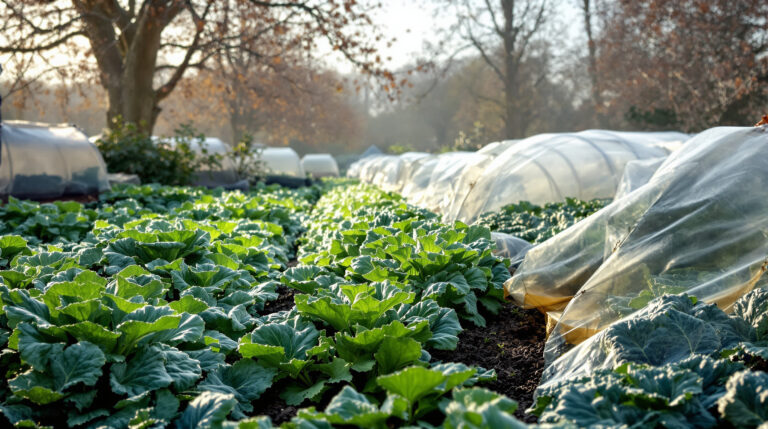
As winter settles in, many gardeners might think that their efforts are on pause. However, the cold season presents a unique opportunity to fight climate change right from your backyard. Gardens are not just for summer blooms; they can be powerful tools for CO2 reduction. By leveraging the natural processes of photosynthesis and adopting sustainable practices, your garden can serve as a carbon sink even in the chilly months. Discover how simple actions can make a significant impact on your carbon footprint and contribute to a greener planet.
In brief:
- 🌱 Your garden can absorb carbon dioxide during winter through careful plant selection.
- 🌍 Sustainable practices like composting and mulching help to enhance soil health and carbon sequestration.
- 🍃 Consider planting native and perennial plants that thrive in winter, supporting biodiversity and resilience.
- 🌧️ Utilize rainwater harvesting to conserve resources and reduce reliance on chemical fertilizers.
- ❄️ Winter gardening can mitigate the urban heat island effect and improve air quality.
Your Garden: A Winter Carbon Sink
Your garden’s role in climate change mitigation transforms during winter. Even when plants seem to be dormant, they continue to absorb a significant amount of carbon dioxide through their leaves and roots. This process is essential for creating healthy plants that will flourish in the spring. By choosing the right plants, you can ensure that your garden continues to combat greenhouse gases during the cold months.
Choosing the Right Plants for Winter CO2 Reduction
Engaging in a winter gardening strategy involves selecting plants that thrive despite cold temperatures. Perennial plants and native species are ideal because they require less maintenance and can survive through harsh winters. Here are a few options:
- 🌼 Evergreen shrubs: These maintain foliage year-round and facilitate photosynthesis even in colder months.
- 🌾 Native grasses: Adapted to local climates, they reduce water and fertilizer needs.
- 🌱 Winter vegetables: Consider kale or Brussels sprouts, which can be harvested into the winter.
Integrating these plants not only contributes to CO2 reduction but also supports local wildlife by providing habitats and food sources.
These winter plants bring color even in the cold
Sustainable Gardening Practices This Winter
To enhance your garden’s impact on carbon sequestration, practice sustainability. Implementing eco-friendly habits can safeguard against emissions and promote healthy soil:
- 🌿 Composting: Decomposing organic waste creates nutrient-rich fertilizer while reducing landfill contributions.
- 🪴 Mulching: Apply a layer of organic material around plants to prevent soil erosion, retain moisture, and suppress weeds.
- 💧 Rainwater harvesting: Collect excess rainwater for garden use, minimizing the need for tapped resources and helping to sustain plant life.
These practices create a robust ecosystem in your garden, maximizing environmental benefits and helping to mitigate climate change effectively.
Impact on Urban Environments
Gardens play a crucial role in urban settings, where concrete and asphalt dominate. By incorporating greenery, we can effectively reduce the urban heat island effect, where urban areas are significantly warmer than their rural surroundings. This insulative effect can help lower the energy needed for heating and cooling buildings, directly impacting energy consumption.
Furthermore, more garden spaces lead to enhanced air quality, as plants filter pollutants and produce oxygen. Each small effort contributes to a larger community movement towards sustainability and climate resilience.
Conclusion: Embrace Winter Gardening for a Greener Future
Winter may appear to halt gardening activities, but it’s an ideal time for proactive carbon management. Embrace the opportunity to create an active gardener’s haven while positively impacting climate change. By reducing your garden’s carbon footprint through thoughtful choices and sustainable practices, you transform your space into a winter champion for the Earth.