Maintaining a winter garden presents unique challenges, particularly when it comes to conserving water. During the colder months, even while plants appear dormant, ensuring they receive adequate moisture is essential for their health and longevity. Winter can be deceptively rainy; however, this moisture doesn’t always penetrate deeply enough to reach root systems effectively. Adopting efficient watering techniques and understanding the specific needs of your plants is paramount in promoting drought resistance and maintaining vibrant greenery while conserving precious resources. Here’s how to navigate the intricacies of winter gardening successfully!
In brief:
- 🌱 Water wisely: Knowledge of when and how much to water is key.
- 🌥️ Temperature awareness: Water during warm days to prevent freeze damage.
- 💧 Deep watering: Ensure moisture reaches roots, approximately 6-12 inches deep.
- 🪴 Container care: Monitor indoor and outdoor pots closely during winter.
- 🧤 Bulb hydration: Don’t neglect dormant bulbs, they still need water.
Mastering the Art of Winter Watering
Understanding the right timing and amount of water during the winter months can make a significant difference in how well your winter garden thrives. A general rule of thumb is to water once a month when air temperatures exceed 40°F (4°C). This prevents dehydration while avoiding frozen roots. Pay attention to factors such as precipitation, soil moisture, and plant type. For example, if you’re in a particularly dry climate, you may need to adjust your watering schedule accordingly.
Timing Your Watering Efforts
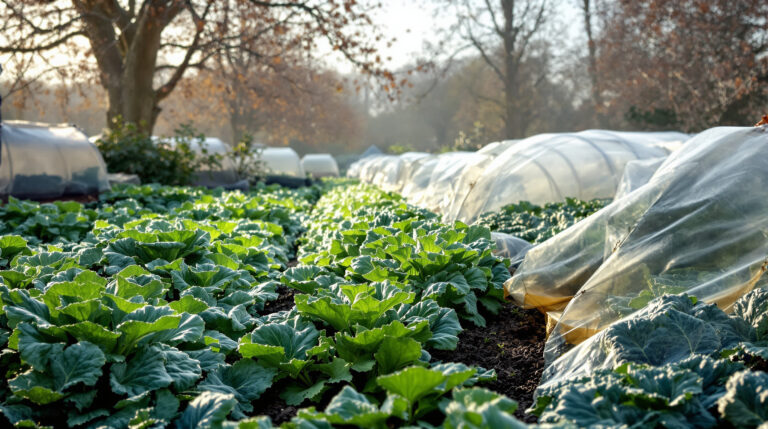
Strategically select your watering times to maximize absorption and minimize waste. Water your garden ideally during the warmest part of the day—midday. This helps ensure that moisture can soak into the ground before evening temperatures drop. Most importantly, avoid watering during freeze events to prevent water from sitting on the surface and forming damaging ice.
Ensuring Deep Soil Moisture
In the winter garden, it’s crucial to ensure that moisture penetrates deeply. Aim to hydrate your soil to a depth of 6 to 8 inches, which is essential for supporting roots during dormancy. For trees and shrubs, a depth of 12 inches may be necessary. This requires efficient watering techniques—consider soaker hoses or drip irrigation systems that allow gradual absorption.Mulching can also preserve moisture levels and maintain soil temperature.
Why your garden can also help reduce CO2 this winter ?
Special Considerations for Container Plants
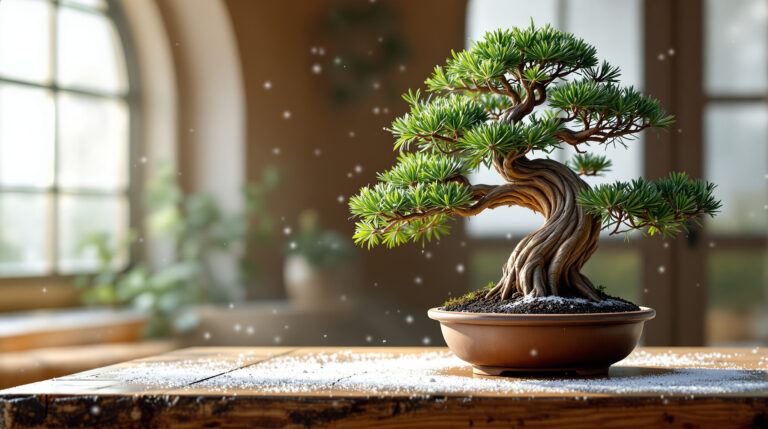
Container gardens require special attention in winter. Their roots are more exposed than in-ground plants, making them more susceptible to freezing temperatures. Check for moisture at least weekly. If the top inch or two feels dry, it’s time to water. To minimize overwatering, consider utilizing the bottom watering method by placing pots in a tray with water, allowing them to absorb moisture gradually.
Don’t Forget Your Bulbs!
Lastly, while bulbs may seem inactive, they still require moisture to thrive come spring. Remember to keep their soil hydrated throughout winter. If you stored bulbs indoors, inspect them regularly for signs of rot or dehydration, adjusting their environment as necessary.
Practical Water Conservation Tips for the Winter Garden
- 🌧️ Use rainwater harvesting systems to collect and save resources.
- 🌿 Opt for drought-resistant plant selections that require less water.
- 🐦 Regularly check soil moisture levels to avoid over-watering.
- 🏠 Implement garden maintenance routines that adapt to seasonal changes.
By following these irrigation tips, you can enjoy a thriving winter garden without overtaxing your water supply. Effective hydration practices will ensure your plants not only survive but flourish as we transition towards the warmer months.