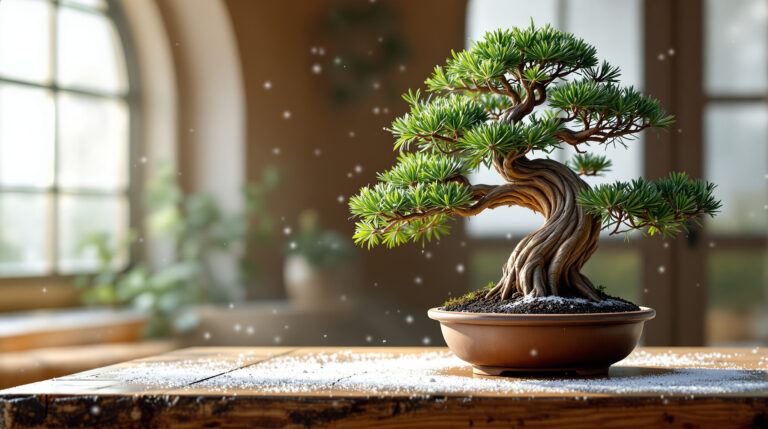
Winter can be a harsh time for indoor plants, often leaving plant parents feeling anxious as they navigate the challenges of colder temperatures and dry indoor air. Plants that once thrived can exhibit signs of stress, including wilting leaves and slow growth. But with some simple strategies, plus a few small adjustments in care, you can create a supportive environment that keeps your greenery flourishing through the frostiest months. Understanding how to adjust your plant hydration, manage light and temperature, and combat the effects of cold weather ensures your plants not only survive winter but thrive.
With the right gardening tips, you can turn your home into a winter sanctuary for your plants. In this piece, we reveal simple yet effective methods to boost their health and vitality during the cold season. Get ready to transform your indoor plant care routine!
En bref :
- Adjust watering frequency to align with reduced growth rates. 💧
- Be cautious with overwatering—it’s a common winter pitfall. 🚫💧
- Provide stable environments by minimizing draft exposure. 🌬️
- Enhance humidity through grouping plants or using a humidifier. 🌿💨
- Monitor for pests that may thrive indoors during winter. 🔍🐜
Adjust Watering Frequency for Indoor Plants
As winter arrives, shorter days and cooler temperatures signal a lull in plant growth. Erin Marino from The Sill notes that many plants naturally request less water during this time. Instead of sticking to your typical weekly watering schedule, consider extending intervals to every two weeks or longer, depending on your plant’s needs. Before watering, check the soil moisture by inserting your finger about an inch deep; if it feels dry, it’s time for a drink. Alternatively, moisture meters can provide accurate readings for those who prefer a more automated approach. Remember, it’s easier to fix under-watering than deal with the aftermath of overwatering!
Avoiding Overwatering: Key to Plant Health
Overwatering is one of the biggest threats to plants in winter; with slower evaporation rates, soil can remain wet longer, increasing the risk of root rot. To prevent this, use a watering can with a narrow spout for precision and ensure your pots have proper drainage to allow excess water to escape. A simple tip: always discard any water left in the saucer after watering to protect root health.
Why a winter garden is the best idea of 2026 ?
Let Your Plants Acclimate to Winter Conditions
If you’ve moved your plants indoors or shifted them to a spot with less light, they may need acclimation time. Expect some leaf drop during this adjustment phase, but don’t panic—this is their way of adapting to changes in their environment. To support them, resist the urge to fertilize or repot, instead offering stable conditions to allow recovery.
Managing Light for Optimal Growth
Winter often reduces sunlight exposure, which can lead to leggy growth as plants stretch towards available light. Rotating your plants weekly ensures even exposure and helps maintain their structural integrity. Use mirrors or reflective surfaces to amplify sunlight for those in darker rooms.
Protect Against Cold Drafts
Hot and cold drafts can adversely impact plant health by creating stressful temperature fluctuations. Keep your plants away from radiators and frequently opening doors to prevent exposure to harsh air currents. If necessary, consider hanging thick curtains near drafty windows to mitigate cold air, providing a more stable environment.
Reduce Fertilizer Use During Dormancy
During the winter months, many indoor plants pause their growth cycle, making them less reliant on added nutrients. Now is the time to halt fertilization. Resume feeding only when growth begins again in spring and consider opting for organic fertilizers that release nutrients gradually to align with plant needs.
Stay Vigilant for Pests
With warm, dry indoor air, pests may linger unnoticed on your plants. Regular inspections are important; look for signs like webbing, tiny specks, or sticky residue. If you discover any infestations, treat affected areas promptly with registered neem oil or insecticidal soap to maintain plant health without harm.
Exploring Humidity Boost Techniques
Misting plants is a common practice, though it often yields limited results since moisture evaporates quickly. Instead, consider employing more effective methods such as grouping plants together to create micro-humidity zones or using humidifiers. Pebble trays filled with water also serve as a practical solution for tropical varieties, ensuring they receive ample moisture. 🌧️🌱
Embrace Plant Accessories for Winter Care
Utilizing plant accessories can make winter care much easier. Stylish plant stands can maximize light exposure, while self-watering pots take the guesswork out of hydration. Consider investing in care bundles that include essential products, ensuring both you and your plants are geared up for a successful season.
Winter plant care doesn’t need to be overwhelming. With thoughtful adjustments to watering, light management, and overall attention to detail, your plants can thrive even in winter’s chill. Embrace each season’s unique demands, and your plants will be a source of joy well into the spring.
To further enrich your indoor plant care approach, you can explore these detailed resources: Winter Gardening Tips, Minimalist Plant Care, and Natural Winter Gardening.