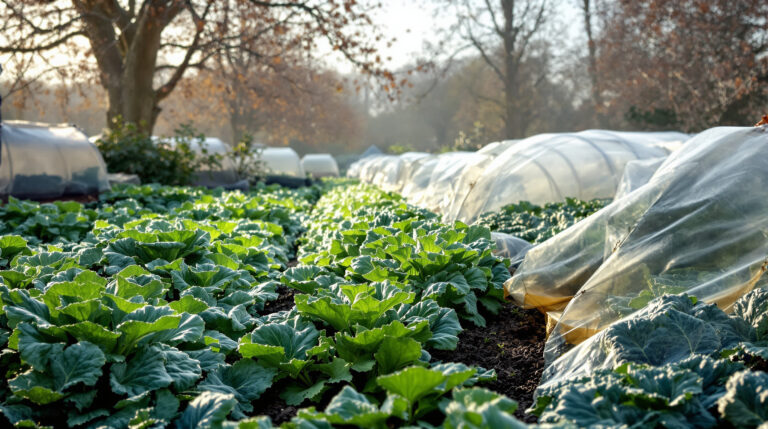
As winter settles in, seasoned horticulturists and gardeners know that December can still be a fruitful month for vegetable cultivation. The art of vegetable protection during this chilly time is crucial for ensuring that crops not only survive but thrive. Covering vegetables isn’t just a precaution against frost; it’s a strategic move to maximize yields in the coming spring. With appropriate measures, professionals can safeguard tender plants and take advantage of cold weather gardening.
Understanding how to care for winter crops, such as providing winter crop preservation methods, helps gardeners protect their hard work. Techniques range from utilizing natural insulation to elaborate coverings that can thwart the harshest elements. By embracing these practices, enthusiasts can ensure robust, healthy harvests, proving that December gardening is far from stagnant.
In brief:
- 🌱 December is prime for cold weather gardening and takes strategic planning.
- ❄️ Protecting crops from frost is vital for healthy regrowth in spring.
- 🛠️ Utilizing plant insulation methods, such as mulching and row covers, can enhance yields.
- 🌿 Professional gardening tips emphasize preparation for unpredictable winter weather.
- 📊 Covering vegetables and using frost protection techniques can lead to improved soil health and productivity.
Why December is Essential for Vegetable Protection
As temperatures drop, perennial vegetables like asparagus and rhubarb become vulnerable. The primary goal of any gardener in December is to prevent cold damage and ensure that plants are ready to flourish when spring arrives. Covering vegetative crops ensures that roots are safeguarded from frost and that soil maintains its structure. This winter care helps plants focus on growth rather than recovery.
Effective Techniques for Covering Vegetables
Utilizing effective winter vegetable care methods is essential for protecting crops from freezing conditions. Here are some expert strategies:
3 gardening tools you must sharpen before january arrives
- 🌾 Apply mulch: A thick layer of organic mulch insulates the soil, keeping temperatures even.
- 🧥 Use row covers: Lightweight materials provide a greenhouse effect, protecting against frost.
- 🌬️ Windbreaks: Landscaping solutions like hedges can shield plants from harsh winds.
- 💧 Hydration before frost: Watering plants before extreme cold can help roots stay warmer.
- 💤 Frost blankets: These specialized coverings are designed to provide extra protection on cold nights.
Navigating Common Challenges in Winter Gardening
Despite best efforts, several challenges may still arise during the winter months. Factors such as displacement of mulch from harsh weather or pest attraction can hinder success. Applying garden frost coverage requires vigilance:
- 🔍 Regularly check mulch integrity to ensure plants remain insulated.
- 🦠 Monitor for pests that thrive in mulch, adjusting care protocols as necessary.
- 🌬️ Ensure adequate air flow around covered plants to prevent mold or rot.
Benefits of a Thoughtful Winter Gardening Strategy
Proper vegetable protection during December yields numerous benefits, including:
- 🌱 Healthier plants that are less stressed during harsh weather are more productive in spring.
- 🌼 Improved overall soil health through organized mulching and garden care practices.
- 💰 A cost-effective approach by reducing the need for replanting damaged crops.