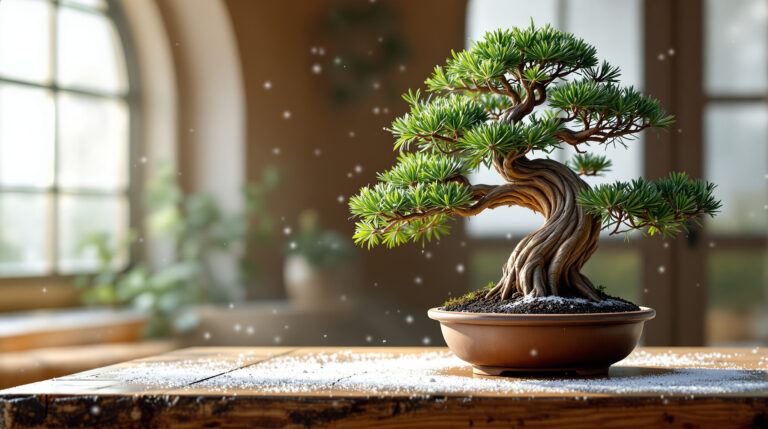
As winter blankets the landscape, the delicate art of bonsai care becomes crucial for maintaining healthy trees through these colder months. With frost biting and daylight hours dwindling, bonsai enthusiasts must adopt thoughtful practices to ensure their prized trees thrive rather than merely survive. Understanding each bonsai species’ specific winter needs, along with implementing effective protective measures, can make all the difference in ensuring robust growth come spring. Mastering the golden rule of winter bonsai care—a blend of proper protection, moisture management, and temperature control—sets the foundation for flourishing trees throughout the seasons.
Key Points to Ensure Winter Bonsai Health:
- 🌿 Species Knowledge: Identify the hardiness of your bonsai trees.
- 🌬️ Proper Insulation: Provide protective wraps and coverings for pots.
- 💧 Watering Schedule: Reduce watering frequency during dormancy.
- 🌡️ Temperature Control: Avoid drastic temperature shifts and maintain suitable levels.
- ✂️ Tree Pruning: Conduct careful pruning to prepare for new growth.
The Importance of Understanding Your Bonsai’s Species
Not all bonsai trees are created equal, especially when it comes to winter survival. Species that thrive in temperate climates have evolved to harden off in preparation for the winter chill. Native to colder regions, these trees, like pines and maples, require a certain amount of cold exposure to trigger dormancy—a state vital for conserving moisture and energy. Understanding the specific needs of each variety not only informs care practices but also determines the right winter strategy that aligns with their natural growth cycles.
Strategies for Effective Winter Protection
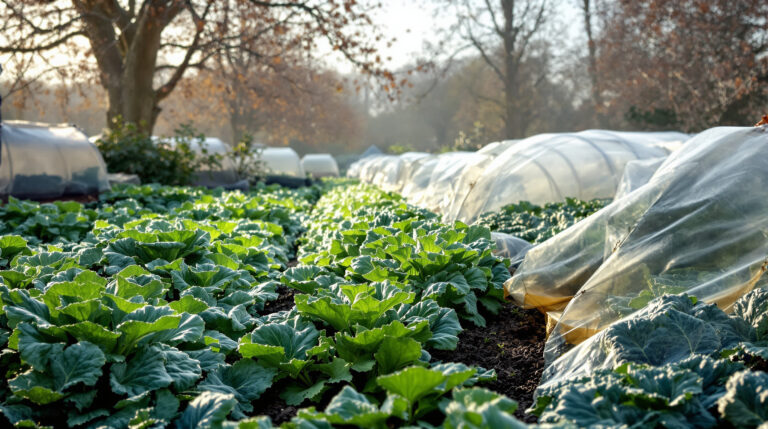
Providing shelter for bonsai trees during winter can safeguard against the harsh impacts of freezing temperatures. Employing practical measures such as cold frames, or even burying pots in mulch, can shield roots from frost. In regions where temperatures dip below 15°F (-10°C), insulating pots is crucial. Simple materials like burlap or bubble wrap can create barriers that minimize heat loss, preventing roots from freezing and ensuring moisture retention. Additionally, placing trees in a sheltered area away from harsh winds can significantly reduce the risk of dehydration—often a greater threat than the cold itself.
Maintaining a Balanced Watering Schedule
Many bonsai care misconceptions revolve around watering during dormancy. While trees require less water when in this state, neglecting them completely can lead to dehydration. A practical approach includes checking soil moisture periodically; watering only when the top layer feels dry allows trees to remain hydrated without risking root rot. Monitoring moisture levels is essential, especially in cold frames or greenhouses where evaporation rates can change.
Why professionals cover their vegetables in december?
Tree Pruning Techniques for Winter
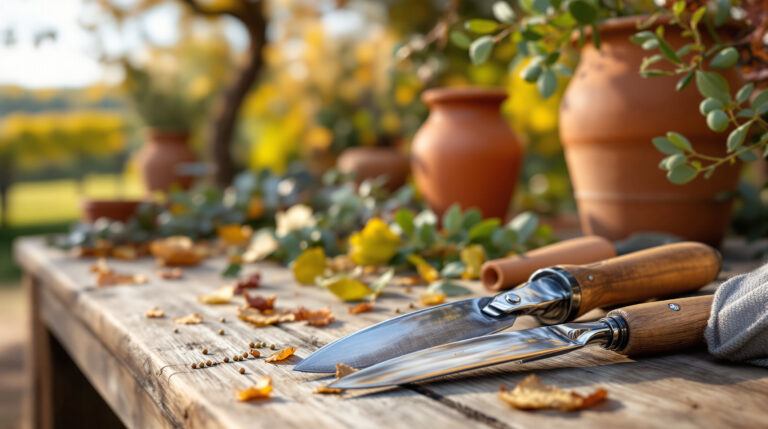
Winter is an ideal time for tree pruning to prepare bonsai for the upcoming growth cycle. This period allows enthusiasts to shape their trees without the risk of damaging new buds. Targeting interior branches for removal promotes airflow and encourages healthy growth once spring arrives. Pruning should be done judiciously, focusing on enhancing the structure of the tree while ensuring support for new foliage.
Final Insights for Thriving Bonsai in Winter
Winter serves both as a challenge and an opportunity for bonsai enthusiasts. By adhering to the golden rule—balancing protection, careful watering, and strategic pruning—success in maintaining bonsai health through the winter season is achievable. As temperatures drop and nights lengthen, diligence and preparation in these areas allow for the nurturing of vibrant trees that will flourish in the warmth of spring. With the right approach, winter can transform from a season of dormancy into a period of strategic growth and resilience.