As we prepare for the winter of 2026, excited gardeners are already anticipating innovative trends that redefine our outdoor spaces. With an increasing focus on minimalism, eco-friendly practices, and advanced technology, the upcoming gardening season promises to merge beauty and functionality seamlessly. This winter, garden enthusiasts will embrace sustainable gardening practices, transforming their outdoor areas into havens of tranquility and style. From compact indoor winter gardens that thrive amidst cold climates to minimalist garden designs that emphasize simplicity, this season offers a plethora of opportunities to explore and express creativity in gardening.
Take note of the following essential trends for winter gardening in 2026:
- 🌱 Emphasis on minimalism: Clean lines and an uncluttered aesthetic will define many gardens.
- 🌿 Sustainable practices: Eco-friendly gardening techniques that reduce waste and conserve resources.
- 🏡 Indoor winter gardens: Create lush environments indoors with low-maintenance plants suited for colder months.
- 🔧 Tech integration: Smart garden solutions that simplify care and maintenance.
- 🌍 Climate adaptability: Gardening methods that utilize resilient plants to withstand extreme conditions.
Minimalism in Gardening: A Key Trend for 2026
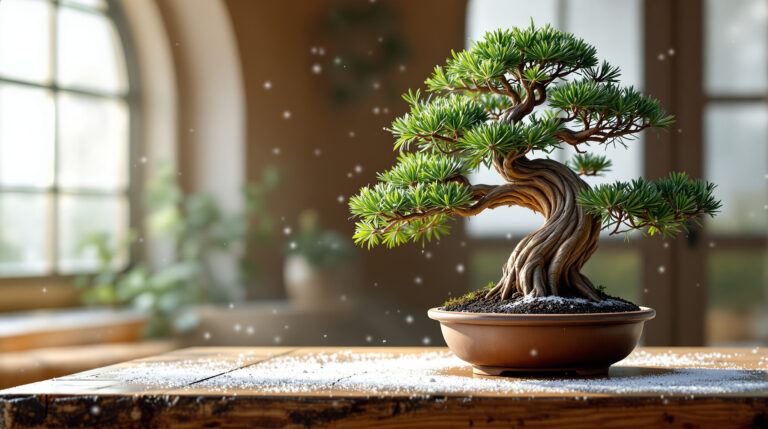
Minimalism is not just a passing trend; it’s a lifestyle choice that resonates deeply with modern sensibilities. By focusing on minimalist garden design, gardeners aim to create spaces that feel serene and uncluttered. This design philosophy prioritizes simplicity, encouraging clean lines, a limited plant palette, and the use of sustainable materials.
Key Features of Minimalist Garden Design
- 🎨 Neutral color palettes: Soft whites, grays, and earthy tones create a calming effect.
- 🪴 Strategic plant selection: Focusing on a few hardy plants maximizes impact.
- 🌟 Natural materials: Use of stone, wood, and recycled components enhances the aesthetic.
One way to incorporate minimalism effectively is by choosing plants that are both beautiful and low-maintenance. For instance, plants like succulents or hardy evergreens can thrive indoors during the colder months, enhancing interior aesthetics while requiring minimal care.
Winter Plant Care: Strategies for Success
Adapting to winter conditions requires a keen understanding of plant care. Winter plant care involves specific techniques to ensure your greenery remains healthy and vibrant.
- 💧 Regulate hydration: Monitor watering carefully to avoid over-saturation.
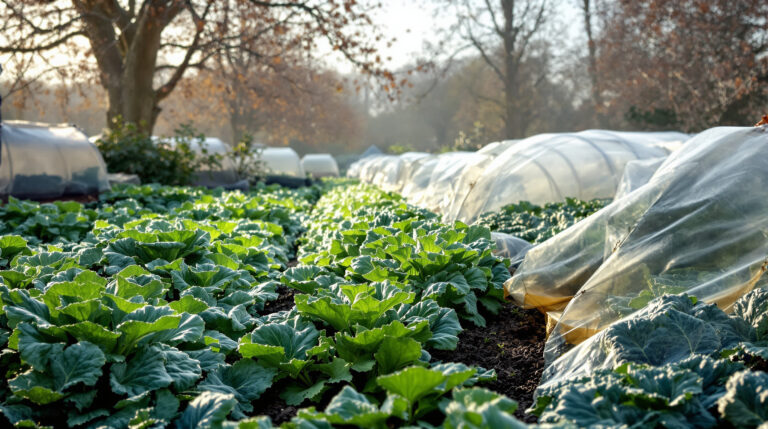
- ❄️ Protect from frost: Utilize coverings or relocate pots to sheltered areas.
- ☀️ Maximize sunlight exposure: Position plants near windows where they can enjoy natural light.
By implementing these care strategies, you can ensure that your indoor winter garden thrives even in the harshest conditions. Indoor spaces can become lush sanctuaries, proving that winter gardening can be both practical and aesthetically pleasing.
Sustainable Gardening: The Eco-Friendly Approach
As environmental concerns continue to rise, the need for sustainable gardening practices is more critical than ever. In 2026, expect more gardeners to adopt eco-friendly approaches that align with their values and contribute positively to the planet. Here are some techniques to consider:
- 🌎 Native plant landscaping: Utilizing local flora enhances biodiversity and reduces maintenance.
- ♻️ Water-wise practices: Implementing rainwater harvesting and drought-resistant plants.
- 📦 Upcycling materials: Repurposing containers and building structures that reduce waste.
For more insights, check out this guide to natural winter gardening that covers practical tips and creative ideas to tailor your garden sustainably.
Tech Integration: Smart Solutions for Modern Gardens
Technology is transforming how we approach gardening, bringing innovative solutions to simplify care and maintenance. In 2026, expect to see:
- 📱 Mobile apps: Manage watering schedules and monitor plant health right from your phone.
- 🤖 Smart irrigation systems: Automatically adjust based on weather conditions, ensuring optimal hydration.
- 🌿 Indoor growing sensors: Monitor light and moisture levels for happier plants.
Smart technology enhances gardening experiences and alleviates the burden of maintaining complex garden systems, especially during the chilly winter months.
Cold Climate Gardening: Adapting to Winter Challenges
With the shift in climate patterns, adapting gardening strategies for colder climates is essential. In 2026, we will likely see a rise in:
- 🌱 Cold-hardy plant varieties: Winter crops that are resilient and productive in low temperatures.
- 🌿 Greenhouses: Utilizing greenhouses to extend the growing season and protect delicate plants.
Implementing these strategies allows gardeners to thrive amidst the inherent challenges of gardening in cold conditions, showing resilience and creativity.
Elevating Winter Garden Decor
Accessories play a significant role in enhancing the beauty of winter gardens. A well-decorated garden will include:
- 🌟 Unique planters: From recycled materials to artistic structures, the options are endless!
- 🎡 Ambient lighting: This can beautifully illuminate paths and highlight features.
- 🌼 Seasonal decorations: Incorporating fresh flowers or wreaths adds seasonal cheer to the landscape.
Beyond aesthetics, these decor choices reinforce the functional aspects of winter gardening, making each space not only welcoming but also vibrant.
Whether embracing the principles of minimalism in gardening, focusing on sustainable practices, or adapting to the unique challenges of cold climates, the winter gardening trends for 2026 promise to bring a sense of beauty and harmony to our spaces.