As winter blankets the garden in frost, the choice between a bio garden and a conventional garden becomes paramount for gardening aficionados. This season offers a unique opportunity to reflect on sustainable practices and personal preferences, especially as the world increasingly leans towards eco-friendly solutions. Bio gardens thrive on organic methods, enriching the soil and fostering biodiversity, while conventional gardens can offer immediate, albeit chemical-based solutions. But what truly stands out during the cold months is how each choice affects not only your plants but the environment as a whole.
Winter gardening brings unique challenges and opportunities. Each type, whether focused on organic gardening methods or traditional practices, requires careful consideration of factors such as soil health, plant selection, and maintenance routines. In this season of dormancy, strategizing your garden choices can pave the way for a flourishing spring. Not only do gardeners need to contemplate the benefits of various crops, but they should also consider the environmental impact of their garden methods. This year, embrace the chance to cultivate sustainability as part of your garden maintenance.
Understanding the Bio Garden Benefits This Winter
A bio garden is designed to work with nature, focusing on sustainability and the long-term health of the ecosystem. Incorporating organic methods can be beneficial during winter. Some key advantages of a bio garden include:
- Enhanced Soil Health: Organic practices improve soil structure and fertility, which can lead to stronger plants come spring.
- Wildlife Support: A bio garden encourages a diverse habitat, helping local wildlife survive the winter.
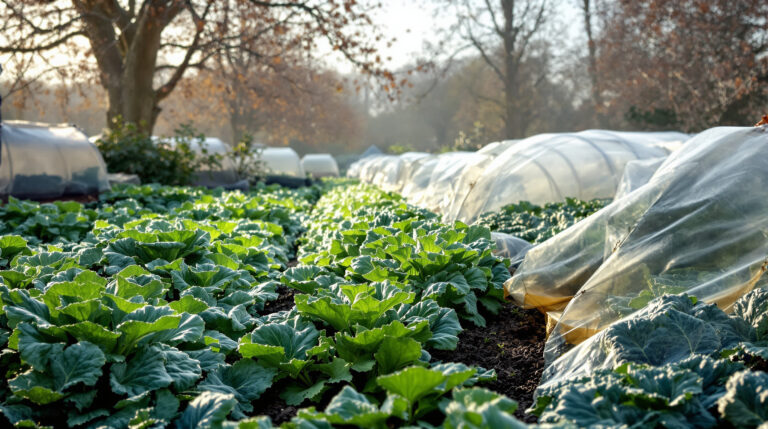
- Focus on Seasonal Planting: Cool-weather crops, such as kale and spinach, thrive in a bio garden and can continue growing, providing fresh greens even in winter.
- Reduced Chemical Use: Keeping artificial fertilizers and pesticides out of your garden fosters a healthier environment.
Tips for Successful Bio Gardening This Winter
To maximize the benefits of your winter bio garden:
- 🌱 Cover Crops: Plant cover crops such as clover or vetch to protect the soil during winter.
- 🛡️ Mulch Wisely: Use organic mulch to insulate plant roots and maintain moisture.
- 🌿 Insulate with Cloches: Protect sensitive plants from frost with glass or plastic cloches.
Exploring Conventional Gardening Approaches This Winter
Conversely, a conventional garden often employs synthetic fertilizers and pesticides. While creating lush landscapes is possible, it’s crucial to consider the implications of such methods, especially in a vulnerable winter ecosystem. Here’s what conventional gardening can offer:
How to save water while maintaining your winter garden ?
- Quick Results: With chemical fertilizers, crops can yield faster, providing food earlier in the season.
- Wider Crop Selection: A conventional garden can support a broader array of plants, often accommodating those that might not survive organic practices.
- Less Maintenance: Often, conventional gardens require less time and effort, particularly when selecting low-maintenance plants.
- Availability of Commercial Products: The market offers a wide variety of robust winter gardening products, making it easier to set up and maintain your garden.
Maintaining Your Conventional Garden in Winter
To keep your conventional garden thriving:
- 🌬️ Windbreaks: Install barriers to protect plants from harsh winds, ensuring their survival.
- 🚫 Pest Control: Regularly monitor for pests; winter can bring unexpected visitors.
- 🌡️ Temperature Regulation: Use cloches and row covers for insulation against frost.
Making the Right Garden Choice for the Winter Season
The decision between a bio garden and a conventional garden during winter rests upon personal values regarding sustainability, aesthetic preferences, and desired outcomes. Both paths possess unique advantages that can enhance your gardening experience. Consider the following while deciding:
- 💚 Your values: Do you prioritize eco-friendly practices over immediate results?
- 📅 Seasonal planting opportunities: What crops can you cultivate based on your garden type?
- ⚖️ Garden maintenance: Are you prepared to invest time into achieving organic success?
Ultimately, whether you lean towards a more sustainable gardening approach or favor the reliability of conventional methods, winter provides a rich platform for thoughtful gardening choices.