Winter gardening presents unique challenges, requiring special attention and care to ensure your plants thrive. As temperatures drop and snowfall begins, many gardeners might unknowingly sabotage their hard work by making simple mistakes. Understanding these pitfalls can mean the difference between a flourishing garden and a frozen disappointment. With insights from seasoned horticulturists and gardening enthusiasts like Chad Soles, we’ll explore essential practices to steer clear of during the chilly months. Your winter garden can be a haven of beauty and productivity if you know what to avoid!
Brief
- 🌱 Neglecting mulch damages root systems, exposing plants to severe frost.
- ✂️ Over-pruning can weaken the structure of plants, making them vulnerably to harsh weather.
- 💧 Overwatering dormant plants can lead to root rot and other long-term damage.
Don’t Neglect Mulch: Protecting Roots from Frost Damage
Mulching is often overlooked during winter, yet it plays a crucial role in safeguarding your plants from frost damage. A well-chosen mulch layer helps insulate roots, trapping warmth and preventing freezing. Here’s how to effectively mulch in your winter garden:
- 🧤 Use straw or hay: Apply a 3-4 inch layer to trap warmth.
- 🌲 Opt for bark or wood chips: These materials not only retain heat but also ensure proper drainage.
- 🍂 Shredded leaves: An organic choice that enriches soil over time while providing insulation.
Choosing the right materials is essential. Avoid plastics that can trap moisture and lead to root issues. Instead, focus on weather-resistant and organic options to promote overall plant health.
Mindful Pruning: Avoiding Over-Pruning Errors
While pruning is necessary, especially before heavy snowfall, many gardeners make the mistake of over-pruning. This can severely affect a plant’s structure and capacity to weather cold conditions. To strike a balance:
You’ll never look at your plants the same way after this
- ✂️ Remove only damaged or weak branches to minimize stress on the plant.
- 🌳 Limit cuts to one-third of the plant’s growth to avoid weakening it.
- ❄️ Leave some branches intact — they can act as insulation for the plant and shelter for wildlife.
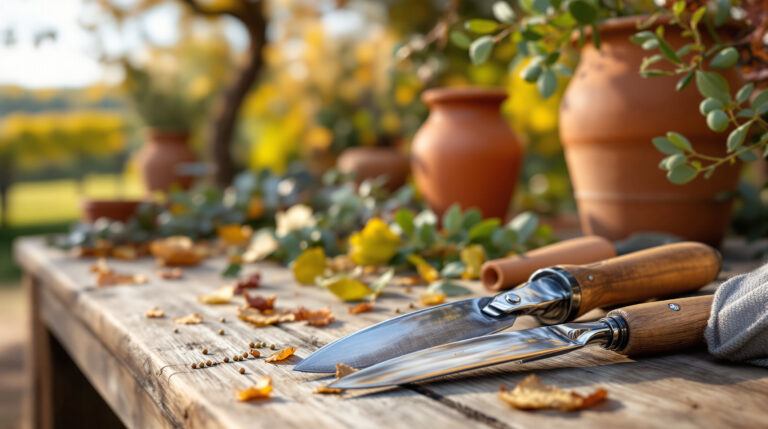
Using clean, sharp tools will help maintain plant health and reduce the risk of disease. Pruning correctly not only prepares your plants for winter but sets the stage for robust growth in spring.
Water Wisely: Preventing Overwatering in Dormant Plants
Winter often tricks gardeners into thinking their plants need as much water as in warmer months. However, during dormancy, plants require significantly less water. Overwatering can lead to several issues, including:
- 💧 Wilting despite moist soil, indicating root stress.
- 🌿 Yellowing leaves, a sign of root damage.
- 🦠 Bad odors from soil hinting at root rot from excessive moisture.
Adjust your watering schedule according to the temperature and moisture levels of the soil. Ensure proper drainage to avoid creating a waterlogged environment that can destroy delicate roots.
Healthy Soil: Ensuring Proper Preparation and Protection
Soil preparation is vital, especially during the winter months. Protecting it from erosion and maintaining moisture ensures that plants are nourished when growing conditions improve. Employ these strategies to maintain healthy soil:
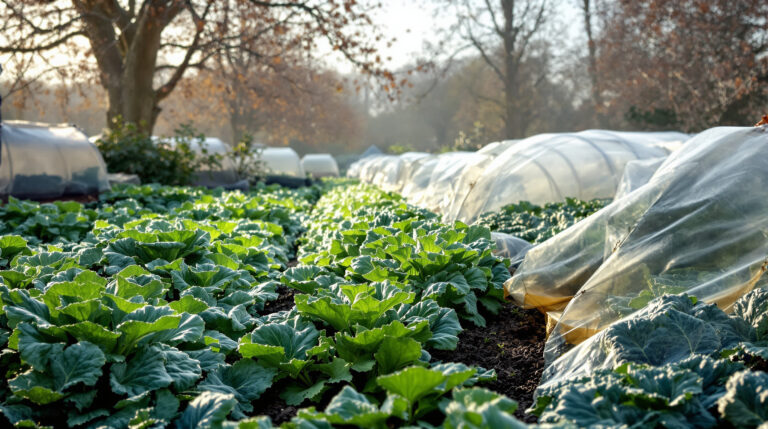
- 🌾 Implement covers, such as row covers, to shield against freezing winds.
- 🧊 Limit foot traffic on frozen soil to prevent compaction.
- 🚜 Consider planting cover crops like rye, which enhance soil texture and add organic matter.
Active monitoring of moisture levels and avoiding overuse of any protective layers will keep your garden thriving throughout winter.
By giving proper attention to these key areas—mulching, pruning, and watering—you can create a resilient winter garden. Aim for a landscape that thrives in the cold, leveraging these strategies to avoid common gardening mistakes that many encounter every winter. Protect your plants well, and you’ll see them flourish when spring arrives! 🌼