As winter blankets the landscape and the days grow shorter, December emerges as a critical time for gardeners. This month might seem quiet, yet it is ripe with opportunity for pruning specific shrubs, setting the stage for vibrant growth come spring. By aligning pruning efforts with the lunar calendar, gardeners can enhance plant health and vigor through thoughtful seasonal care. Understanding the nuances of which plants to prune—and when to do it—can make all the difference in cultivating a thriving garden.
Timing becomes essential as we look at both the biological needs of the plants and the astrological influences of the moon phases. This guide delves into the shrubs that benefit from winter pruning this December, ensuring that garden enthusiasts are well-prepared to maximize the health and beauty of their flora.
- 🌳 Deciduous Trees: Ideal for pruning during dormancy.
- 🌿 Deciduous Shrubs: Prune at dormancy to encourage healthy regrowth.
- 🍎 Most Fruit Trees: Best trimmed while dormant to promote fruitful yields.
- 🌹 Roses: Minor pruning recommended to prevent winter damage.
Pruning Deciduous Trees and Shrubs in December
Deciduous trees and shrubs, which lose their leaves in the fall, enter a dormant phase during winter. This dormancy period is crucial since pruning them now can lead to healthier growth in the spring. Species like oak, beech, and hawthorn can benefit significantly from a December trim. However, caution is necessary for those that bloom in spring or for trees like maples that bleed sap when pruned too early.
For effective pruning, consider using a quality tool set. For example, the Fiskars 2-in-1 Extendable Tree Pruner allows access to high branches, making the task much easier.
Understanding the Spring-Flowering Exception
Not all deciduous shrubs should be pruned in December. If they flower in spring, like azaleas or lilacs, pruning now could deprive you of their beautiful blooms. The right timing for these will be just after they finish flowering. Ensuring that you know the flowering patterns of your shrubs can save you disappointment in the upcoming months.
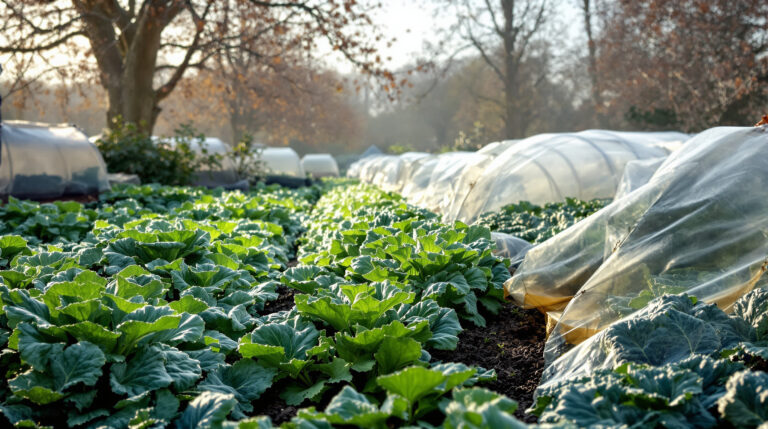
If you own these plants, act before this week’s first snowfall
Special Considerations for Fruit Trees
Fruit trees, a subset of deciduous trees, also thrive with appropriate winter care. Apple, peach, and cherry trees should be pruned in December when they are fully dormant. Overdoing it, however, can disrupt their growth; if uncertain about the dormancy of your fruit trees, postpone pruning until late winter. This cautious approach ensures you maintain their vigor and productivity.
- 🍏 Prune dormant fruit trees for the best spring yield.
- ⚠️ Avoid excessive pruning to prevent stunting growth.
Roses: The Delicate Balance of Pruning
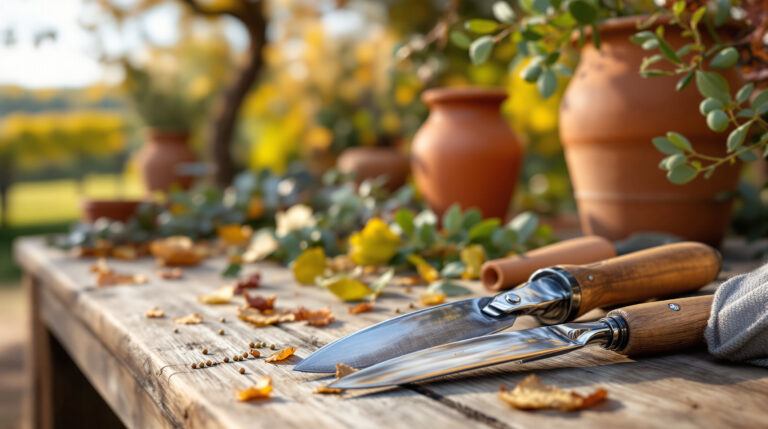
Roses, typically dormant by December, can handle some light pruning. Removing any dead, diseased, or broken canes helps to guard against harsh winter conditions. significant reshaping should wait until late winter, ensuring that roses are prepared for their spring revival.
Investing in quality pruning shears, like the Haus & Garten ClassicPRO, can make this maintenance efficient. Ensuring tools are sharp promotes cleaner cuts and healthier plants.
Plants Best Left for Spring Pruning
Not every plant appreciates a winter trim. Some can suffer from undue stress if pruned too early. Specifically, spring-flowering shrubs like azaleas, pollinator-friendly plants like black-eyed Susans, and “bleeder” trees such as birches and willows should be left until spring. Pruning these prematurely can inhibit their growth and flowering potential.
- 🌼 Spring-Flowering Shrubs: Best pruned after blooming.
- 🐝 Pollinator-Friendly Plants: Leave stems for winter habitats.
- 🌳 Bleeding Trees: Prune during early summer to minimize sap loss.
- 🌸 Hydrangea Varieties: Some should wait until after blooming.
As December unfolds, take the time to reflect on your garden and its needs. Aligning pruning with the lunar calendar can promote stronger, healthier plants in the coming months. Understanding the specific requirements of each shrub ensures that every cut contributes positively to the health and beauty of your garden.