As we approach 2026, the gardening landscape is evolving at an unprecedented pace. With innovations driven by technology, sustainability concerns, and a growing interest in urban gardening, being prepared for these changes is essential for both seasoned horticulturists and casual enthusiasts. The trends we observe hint at a future where gardens are not just aesthetic spaces but functional, eco-friendly environments that contribute to a healthier planet. From smart gardening tools that automate routine tasks to the rise of sustainable gardening practices, the way we cultivate our green spaces is set for a transformative shift. Equip yourself with the knowledge of upcoming trends to stay ahead and make the most of your gardening experience!
In the coming years, the necessity for adaptability will be more crucial than ever. The focus on climate change resilience means embracing techniques and plant varieties that withstand extreme weather events. Additionally, the challenges posed by urbanization encourage creativity with vertical gardening and urban gardening methods, making gardening accessible even in small spaces. As technology fosters these advances, staying informed can turn your gardening from a mere hobby into a sustainable and efficient practice.
Key Gardening Trends to Watch in 2026
- 🌱 Smart Gardening: Integration of technology for efficient gardening tasks.
- 🌍 Sustainable Gardening: Practices that prioritize eco-friendliness and conservation.
- 🏙️ Urban Gardening: Innovative methods to garden in limited spaces.
- 🔧 Garden Technology: Use of apps and devices to monitor plant health.
- 🌿 Climate-Resilient Plants: Choosing flora that can cope with changing weather.
The Rise of Smart Gardening
The advent of smart gardening technology is transforming how we approach garden maintenance. Smart irrigation systems, for instance, adjust watering based on weather forecasts and soil moisture levels, reducing water waste. Furthermore, apps designed for mobile devices can now provide real-time updates on plant health, offering reminders for watering and fertilizing. This trend not only saves time but also enhances the success rate of plant cultivation.
Emphasizing Sustainable Practices
As climate change continues to pose challenges, the gardening community is increasingly turning towards sustainable gardening practices. Techniques such as permaculture, xeriscaping (landscaping that reduces or eliminates the need for irrigation), and organic gardening are gaining traction. These methods not only promote biodiversity but also contribute to soil health, which is essential for fostering robust plant growth. Engaging in sustainable practices helps gardeners be stewards of the environment while enhancing their gardening efficiency.
Innovations in Urban Gardening
With the world becoming increasingly urbanized, creative solutions are being developed to help city-dwellers connect with nature. Vertical gardening allows for the cultivation of plants in tight spaces, utilizing structures like walls or towers. This method not only makes gardening feasible for apartment dwellers but also adds greenery and beauty to urban settings. Additionally, roof gardens provide residents with the chance to grow food while reducing heat and improving air quality within their communities.
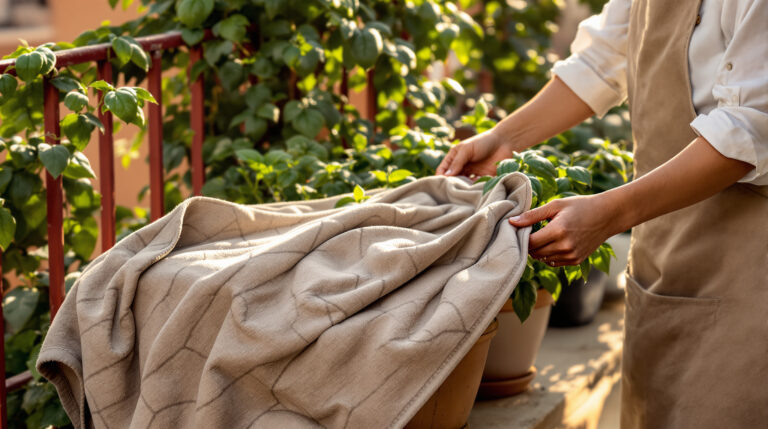
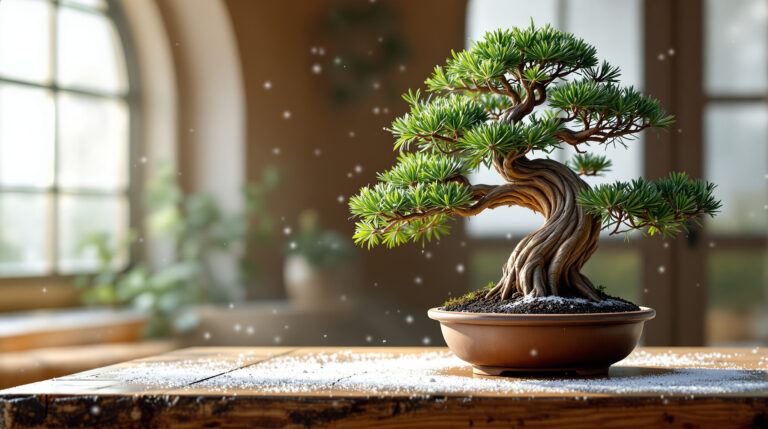
How to lighten your snow-covered garden without ruining it ?
Automation in the Garden
Garden automation systems are poised to revolutionize gardening in 2026 and beyond. Think self-watering pots and sensors that alert you when your plants need attention. These innovations streamline care routines and help overcome lifestyle constraints. Automation doesn’t mean losing the joy of gardening; rather, it adds convenience, allowing enthusiasts to spend more time enjoying their gardens.
Climate-Resilient Plants for the Future
As climate conditions become increasingly unpredictable, selecting climate-resilient plants will be crucial. Gardening specialists advocate for regions’ native plants, which often require less water and care. Incorporating these varieties not only supports local ecosystems but also ensures that gardens can thrive with minimal interventions despite changing climatic challenges.
- 📈 Expect growth in interest around organic gardening as people seek healthier, chemical-free produce.
- 🌳 Eco-friendly landscaping is set to replace traditional methods, emphasizing sustainable materials and practices.
- 🌼 Embrace community gardens that promote social interaction while providing fresh produce.
By keeping abreast of these evolving trends, gardeners can cultivate stunning spaces that are in tune with ecological realities and personal preferences. 2026 holds great promise for those ready to adapt and innovate in their gardening practices!