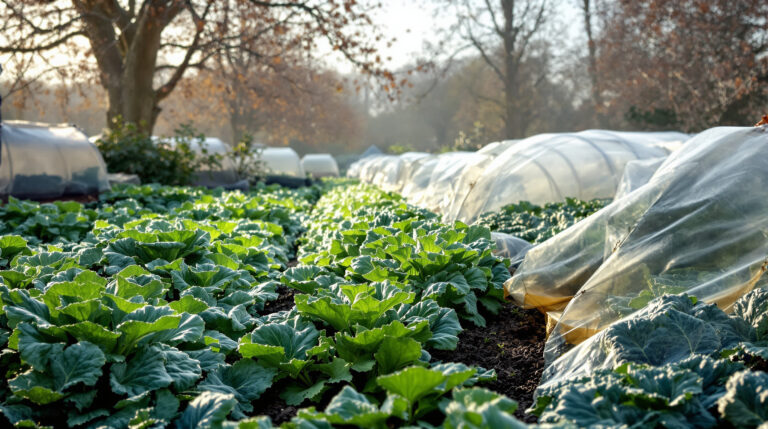
Transforming kitchen scraps into valuable fertilizer is not only beneficial for your garden but also supports sustainable living practices. Every year, a significant amount of organic waste ends up in landfills, contributing to environmental issues. However, by utilizing items often discarded, you can create organic fertilizer that enriches your soil, helps your plants thrive, and reduces household waste. As we move into early spring, when gardens come back to life, it’s the perfect time to implement these eco-friendly practices and nourish your home gardening efforts with homemade solutions.
En bref:
- 🌱 Using kitchen scraps minimizes waste and promotes sustainability.
- 🥕 Kitchen waste fertilizers enrich soil with essential nutrients.
- 🌍 Composting reduces landfill contributions and greenhouse gas emissions.
- 🧪 Nutrient recycling supports healthy plant growth without chemicals.
- 🌿 Embrace creative solutions for a thriving garden while saving money.
Understanding Kitchen Waste Fertilizer
Kitchen waste fertilizer consists of organic materials derived from leftover food and other scraps that decompose over time, releasing vital nutrients such as nitrogen, phosphorus, and potassium into the soil. These nutrients are crucial for plant growth and health. By recycling kitchen waste, gardeners can enrich their soil while simultaneously reducing their carbon footprint and saving money on fertilizers. This month presents an excellent opportunity to embrace this sustainable gardening method and witness the transformation of your garden.
The Advantages of Kitchen Waste Fertilizer
Utilizing kitchen scraps as fertilizer offers multiple benefits:
- 💰 Cost-Effective: Free fertilizer from waste reduces gardening expenses.
- 🌱 Rich in Nutrients: Kitchen waste is loaded with essential nutrients needed for plant health.
- ♻️ Eco-Friendly: Helps decrease methane emissions from landfills.
- 🌾 Improved Soil Health: Enhances soil structure and water retention.
Effective Kitchen Scraps for Fertilizer Preparation
Different kitchen scraps can serve as potent fertilizers. Here’s a list of some of the most beneficial sources:
The detail everyone ignores about overwintering your geraniums
1. Banana Peels
Banana peels are rich in potassium, which boosts overall plant vitality.
- 💡 How to Use: Chop and bury them around plants or soak them in water for nutrient-rich plant feed.
- ✅ Benefits: Enhances fruit display and root health.
2. Coffee Grounds
These leftovers supply nitrogen, promoting lush green foliage.
- 💡 How to Use: Mix into soil or sprinkle on plant bases. Also great for compost piles.
- ✅ Benefits: Fosters growth in roses and tomatoes while repelling certain pests.
3. Eggshells
High in calcium, eggshells help fortify cell walls and prevent bloom-end rot.
- 💡 How to Use: Crush and sprinkle near plants or incorporate into compost.
- ✅ Benefits: Aids in reducing calcium deficiency in soil.
Composting and Creating Fertilizer
While using kitchen scraps directly is effective, composting them yields even richer results.
Steps to Composting Kitchen Scraps:
- 🗑️ Choose a Bin: Use a compost bin or create a pile.
- 💧 Add Scraps: Include fruit peels, veggie scraps, coffee grounds.
- 🌿 Mix with Brown Material: Add dried leaves or cardboard for balance.
- 🔄 Turn Regularly: Aerate for faster breakdown.
- ⏳ Wait: Allow time for decomposition into dark, nutrient-rich compost.
DIY Liquid Fertilizers
For quick results, consider making compost tea:
- 🍵 Collect scraps: Gather coffee grounds, banana peels, etc.
- 🔄 Mix: Soak in a bucket of water for 3-5 days, then strain.
- 💦 Feed: Use the liquid to nourish your plants.
Precautions When Using Kitchen Waste Fertilizer
While kitchen scraps are beneficial, an effective strategy involves avoiding certain common mistakes:
- ⚠️ Avoid Overusing: Excess fertilizer can lead to nutrient imbalances.
- ❌ No Animal Products: Keep meat and dairy out to prevent pest issues.
- 🔥 Moderate Citrus Use: Excess acidity from citrus can deter decomposition.
Enhancing Your Sustainable Gardening Approach
Consider adding extra methods to your gardening practices:
- 🪱 Worm Composting: Quicken the process to convert kitchen waste into rich worm castings.
- 🌊 Liquid Feed: Use steeped scraps for nutrient-rich irrigation.
- 🏵️ Diverse Waste Use: Experiment with various organic waste for different crops.