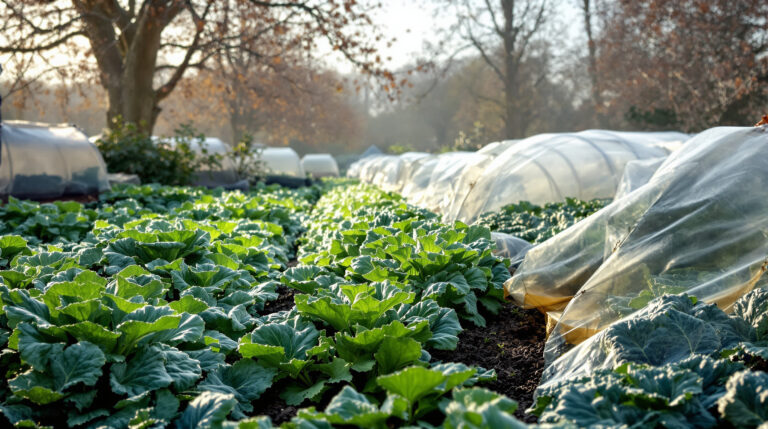
Winter doesn’t have to mean a dull garden. It can be a season of vibrant beauty and thriving ecosystems if you know the right approaches to maintain your outdoor space. By embracing natural solutions for plant care, you can ensure that your garden not only survives the cold months but emerges healthier and more robust in the spring. Eco-friendly practices not only align with sustainable gardening but also enhance soil health, preparing the ground for bountiful growth. Get ready to transform your winter garden!
Key Takeaways:
- Utilize evergreens for year-round interest 🎄
- Incorporate natural fertilizers like compost for soil enrichment 🌱
- Protect soil with mulch to prevent erosion 🛡️
- Use winter cover crops to enhance soil resilience 🌾
- Bring in visual interest with colorful berries and textured bark 🍇
Add Evergreen Plants for Winter Interest
Evergreens serve as the backbone of any winter garden, providing color and texture when most other plants lie dormant. In regions with consistent snow cover or temperatures that plummet, these hardy plants offer an essential presence. Consider incorporating varieties like pines, spruces, and ferns to maintain a lush look throughout the cold months. Their dark greens stand out against a backdrop of white snow, ensuring your garden remains vibrant.
Creative Use of Evergreens
Placing evergreens in decorative pots allows flexibility in your garden design. Moving them to different areas can highlight various sections of your space, particularly entrances and patios. Ensure to select hardier varieties appropriate for your climate to thrive through winter.
Enhance Soil Health with Natural Solutions
Winter is a crucial time for soil health, a fundamental aspect of a flourishing garden. Preparing your soil properly protects it from erosion and nutrient loss. Utilize composting to add organic matter before the ground freezes. Adding a layer of compost enhances soil structure, enriches nutrients, and sets the stage for a bountiful spring.
3 mistakes to avoid in a winter garden
Protecting Soil with Mulch
Applying a 2-4 inch layer of organic mulch such as straw or shredded leaves can significantly benefit your garden beds. This acts as a protective layer, locking in moisture and regulating temperature, while simultaneously preventing weeds from sprouting. Effective winter mulching can be a game-changer for your sustainable gardening efforts.
Plant Natural Cover Crops
Consider planting natural cover crops like winter rye or crimson clover. These crops aid in preventing soil erosion while enriching the soil as they decompose. Sowing these crops before the first frost can provide significant nutrient retention, aiding your garden in making a smooth transition into the growing season.
Building Resilience for Spring Growth
Cover crops not only contribute to soil health but also attract beneficial insects, creating a dynamic ecosystem in your garden. When you terminate these crops in early spring, they will enrich the soil further, readying it for new plantings.
Bring Color to Winter with Berries and Unique Textures
Incorporating plants that bear colorful berries can reignite interest in your garden during the dreary months. Consider planting holly, viburnum, or coral berry to attract wildlife and provide visual appeal. Evergreen varieties can add pops of color throughout the landscape.
Showcase Unique Bark and Seed Heads
Don’t overlook the potential of trees and shrubs with unique bark textures. These can be stunning winter features, especially in bare landscapes. Additionally, dried flower heads and ornamental grasses look striking against the snow, creating a winter-garden showcase.
With the right combination of natural solutions, you can transform your winter garden into a thriving ecosystem rich in beauty. Take these essential steps this season, and get ready to enjoy a greener and more vibrant garden by the time spring arrives!