As winter approaches, garden enthusiasts are gearing up for the 2026 gardening season. This year promises to bring innovative designs and sustainable practices that not only enhance aesthetic appeal but also cater to well-being and ecological mindfulness. Experts are buzzing about the emergence of immersive landscapes, climate-resilient plants, and the importance of crafting warm, inviting spaces. Whether you have a sprawling backyard or a cozy urban balcony, these trends will inspire you to rethink how you experience your outdoor environment, even in the colder months. Get ready to transform your garden into a winter sanctuary that reflects both your personality and a commitment to nature.
In brief:
- 🌱 Embrace natural materials for a warm and inviting aesthetic.
- 🌼 Mini meadows are becoming accessible for any garden size, boosting biodiversity.
- 🧘♀️ Gardens are evolving into wellness hubs with spaces for relaxation.
- 🌪️ Look for climate-resistant designs to adapt to changing weather patterns.
- 🌿 Dive into regenerative gardening practices to nourish both your plants and the environment.
- 🎨 Enjoy a mix of materials for added character in outdoor spaces.
- 📅 Consider seasonal garden schemes for year-round enjoyment.
- ✨ Outdoor living spaces will continue to thrive with more emphasis on comfort.
Embracing Natural Materials in Winter Garden Design
In 2026, the trend will shift from manufactured looks to more authentic and crafted spaces. Expect gardens that use natural materials like stone, timber, and clay which reflect warmth and uniqueness 🤩. Landscape designer Rosie Wilkins emphasizes the importance of using materials thoughtfully, prioritizing their lifecycle and sustainability. By incorporating these elements, gardens can gain a sense of luxe that feels both tactile and timeless.
Creating Mini Meadows
The concept of mini meadows is set to revolutionize urban gardening. These small patches don’t just beautify; they also support local wildlife and enhance soil quality 🐝. Even the smallest balcony can host a variety of wildflowers that provide habitat for pollinators. Conservation biologist Dr. Emily Attlee suggests experimenting with sun-loving blooms like poppies and shade-tolerant species such as foxgloves. Simply scatter seeds onto bare soil, water them occasionally, and watch nature flourish!
Gardens as Wellness Hubs
The integration of wellness into garden design is more than a fad; it’s a lifestyle shift. In 2026, gardens are expected to serve as sanctuaries for relaxation and mental health 🧖♂️. From meditation corners to outdoor kitchens, gardens will provide spaces for nurturing both plants and people. This trend is closely tied to the idea of “low-intensity” gardening, where the focus is on enjoying the process rather than just maintaining a picture-perfect landscape.
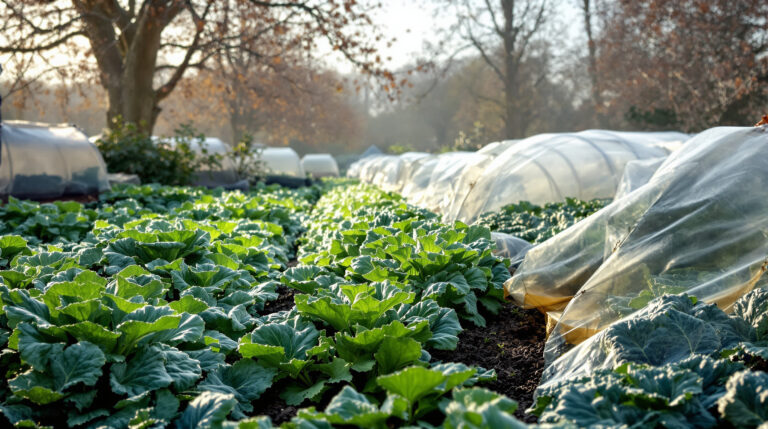
The art of creating a sustainable garden even during winter
Climate-Resistant Garden Designs
Adapting to climate change will be essential for garden planning in 2026. With unpredictable weather patterns, the need for climate-resilient plants is more apparent than ever 🌱. Plants such as English Lavender and California Lilac are becoming go-to choices for their drought-tolerance and aesthetic appeal. Incorporating gravel or mulch will help retain moisture and enhance drainage, ensuring your garden thrives despite changing conditions.
Regenerative Gardening Practices
This year will also see a rise in regenerative gardening, where the focus is on maintaining soil health and biodiversity. Techniques like no-dig gardening and using organic materials will nourish the ecosystem and promote sustainability 🌍. By keeping soil covered and avoiding heavy digging, you can help precious microorganisms flourish; this makes your garden not only beautiful but also resilient against pests and diseases.
Variety in Hardscaping
Diversifying ground materials is a style trend that enhances functionality and beauty in 2026. Mixing materials, such as gravel paths alongside paved areas, creates distinctive zones within the garden 🪨. This not only aids in visually segregating different areas but can also help with landscaping costs, making it an efficient choice for homeowners. Eliza Gray from Eliza Gray Gardens encourages strategically using various surfaces for improved accessibility, making gardens more user-friendly for everyone.
Immersive and Seasonal Gardening
The idea of immersive gardening will lead many to design gardens that invite people to engage closely with nature 💚. Creating seasonal interest through layers of foliage will ensure your outdoor space remains vibrant year-round. Incorporate stunning spring bulbs, striking autumn colors, and structural evergreens to maintain visual appeal throughout the winter months.
The Continuing Rise of Outdoor Living Spaces
As we adapt to a new normal, outdoor living continues to gain popularity. Homes are becoming extensions of their gardens, blurring the lines between indoor and outdoor worlds 🏡. Features like pergolas for shade and outdoor lighting will enhance the usability of these spaces, allowing enjoyment for longer hours throughout the colder months. With thoughtful designs, your winter garden can become an entertaining oasis, perfect for hosting family and friends.
These garden trends for 2026 represent a perfect blend of aesthetics, functionality, and ecological responsibility. By embracing these ideas, anyone can create a winter garden that reflects personal style while nurturing the environment.
For more on embracing the cold, consider checking out winter gardening minimalism and exploring the world of frost-resistant plants.