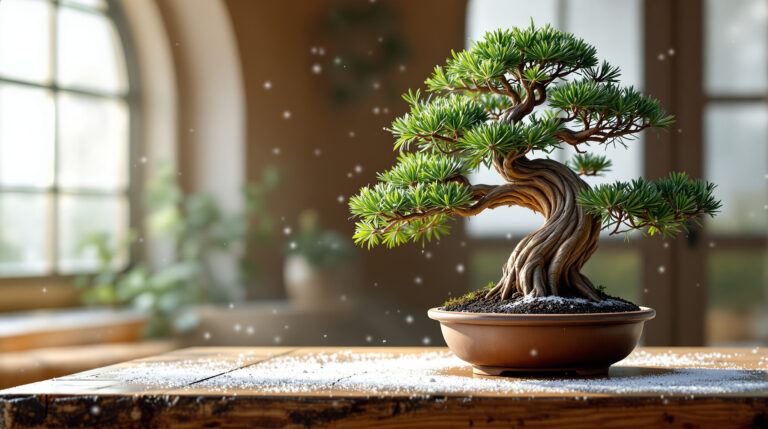
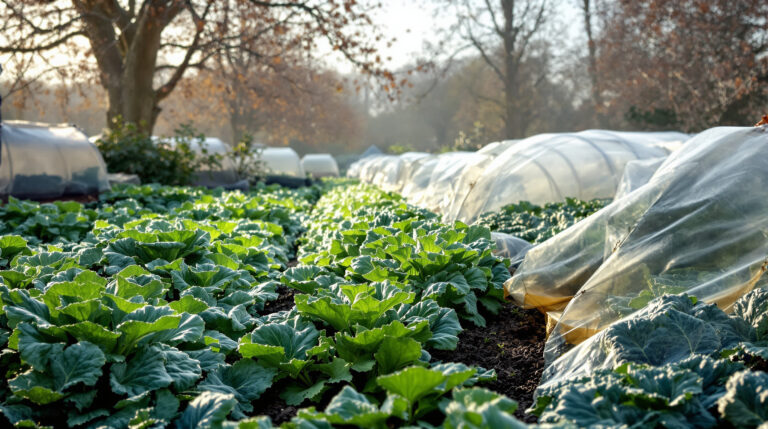
Winter may seem harsh for many plants, but nature has equipped a variety of species with remarkable adaptations to thrive in these colder months. These resilient winter plants play a crucial role in maintaining the beauty and function of our gardens, even amid snow and frost. With the right selection and care, they provide stunning visual interest and invaluable ecological benefits, ensuring that your outdoor space remains vibrant and bountiful.
In brief:
- 🌱 Winter plants demonstrate impressive resilience through unique survival mechanisms.
- ❄️ Cold tolerance is enhanced by natural antifreeze properties in many species.
- 🌿 Dormancy techniques allow plants to withstand freezing temperatures.
- 🌼 Incorporating native winter plants supports local ecosystems and reduces maintenance.
- 🌍 As climate patterns change, these plants become essential for sustainable gardening.
Embrace the Resilience of Winter Plants
Winter plants are a testament to nature’s ingenuity. They have developed unique adaptations that allow them to survive and even flourish during the cold months. For instance, many of these species possess frost resistance, enabling them to endure subzero temperatures that would break or kill less hardy varieties. As “dormant” periods arrive, these plants enter a state of paused metabolic activity, efficiently conserving energy while remaining poised for spring’s return. It’s fascinating to observe how certain species, like wintergreen and hellebores, continue their growth cycles even under a blanket of snow, proving their exceptional ability to thrive.
The Science of Survival Mechanisms
The key to the resilience of winter plants lies in their survival mechanisms. For example, many produce natural antifreeze proteins that prevent ice crystal formation within their cells, safeguarding vital tissues. Others, like black-eyed Susans and purple coneflowers, have developed deep root systems capable of accessing groundwater during droughts, ensuring they remain hydrated even in challenging conditions.
Choosing the Right Plants for Your Winter Garden
When planning your winter garden, the types of plants you choose play a significant role in their resilience. Consider incorporating native winter plants, such as native grasses, and shrubs that have adapted to local climates. These species generally require less maintenance and can better manage environmental stress compared to non-native varieties. Additionally, native plants have intricate relationships with local wildlife, providing limpid ecosystems that bolster pollinators and other beneficial organisms.
Create a perfect winter garden even in the city
Integrating Sustainable Practices into Winter Gardening
As we face the growing impacts of climate change, fostering resilience in our gardens becomes vital. Utilizing native winter plants not only reduces our reliance on chemical fertilizers and pesticides but also ensures our landscapes are naturally equipped to handle environmental fluctuations. Techniques like mulching, which retains soil moisture during dry spells, and strategic companion planting create microclimates that enhance the overall health of your garden. By adapting your gardening practices, you can create a thriving environment that stands resilient against unpredictable weather patterns.
- 🌿 Choose native species for improved survival and maintenance.
- 💧 Use mulching for moisture retention during dry spells.
- 🌳 Implement companion planting to create beneficial microclimates.
- ✨ Regularly assess your garden’s resilience and adjust plant selections based on performance.
Winter Plants: A Source of Beauty and Sustainability
Adding winter plants to your landscape can elevate both its aesthetic and environmental value. Their ability to withstand frost and snow while still providing beautiful foliage and blooms is just one aspect of their appeal. Importantly, these plants serve as key players in maintaining ecological health, helping to stabilize soils and support diverse wildlife populations year-round.
Investing in winter plants is not just about beautifying your garden; it’s about choosing solutions that enhance the resilience of your landscape for years to come. By choosing species that are adapted to your specific climate and environment, you’re making a wise decision for both your garden and the planet. For more insights on creating sustainable winter gardens, explore resources like sustainable winter gardening practices.
With the right knowledge and plants, your winter garden can become a stunning testament to the beauty and resilience of nature, ready to face whatever challenges the seasons may bring.